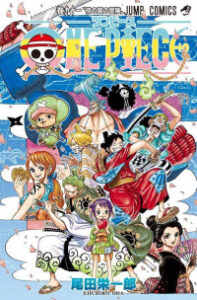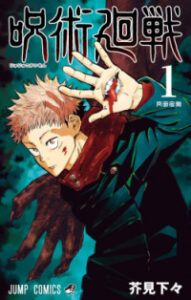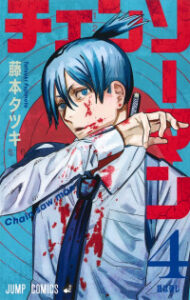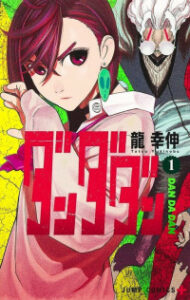

Manga are comics from Japan, manhwa are comics from South Korea and manhua are comics from China. Manga are usually black and white and read right to left, while modern manhwa and manhua are often full-color, vertical-scroll comics read top to bottom and left to right. This guide from TCB Scans, compares the three formats in detail.
Key Takeaways
- The three words all mean “comics,” written in Japanese, Korean and Chinese.
- Manga usually read right to left in black and white, starting in print magazines.
- Modern manhwa and manhua are mostly digital, colored and vertical-scroll.
- Each tradition has favorite genres, but all three cover a wide range.
Where the Three Words Come From
Manga (漫画), manhwa (만화) and manhua (漫画) are versions of the same idea in three languages. Each simply means comics or cartoons. In English, the words are used to describe where a comic comes from.
The terms say nothing about quality or genre. A manga can be a sports drama, and a manhua can be a romantic comedy. What differs is the publishing tradition, the format and the reading habits that grew around each.
Manga vs Manhwa vs Manhua at a Glance
The table below compares the most common features. Individual series can differ, but these patterns hold for most popular titles.
| Feature | Manga | Manhwa | Manhua |
|---|---|---|---|
| Country | Japan | South Korea | China |
| Reading direction | Right to left | Left to right, top to bottom | Mostly left to right, top to bottom |
| Main format | Pages in magazines and volumes | Mostly vertical-scroll webtoons | Often vertical-scroll digital comics |
| Color | Mostly black and white | Mostly full color | Often full color |
| Release unit | Chapters, then volumes | Episodes, often in seasons | Chapters or episodes |
| Popular genres | Action, sports, romance, slice of life | Action fantasy, romance, regression stories | Martial arts, cultivation, fantasy |
Japanese Manga
Manga usually debut in weekly or monthly magazines, then are collected into volumes. Pages are read from the top right to the bottom left, following Japanese text direction.
Most manga are drawn in black and white with screentones for shading. Color pages appear for special moments, such as a series’ first chapter or a magazine cover. Many popular manga run for years and fill dozens of collected volumes.
Many major series now reach English readers on the same day as Japan through platforms like MANGA Plus. Our manga guides explain more about the format.
Korean Manhwa
Manhwa went through a major change with the rise of smartphones. Today most new series are published as webtoons, designed to be read by scrolling down a long strip of colored panels.
Platforms such as WEBTOON publish weekly episodes and list their schedules by weekday. Many manhwa are adapted from web novels, which is why fantasy, game-inspired worlds and regression stories are so common.
Series in our library include Omniscient Reader’s Viewpoint, Eleceed and Solo Max-Level Newbie. To get started with the format, read our guide on how to read manhwa or browse the manhwa and webtoons section.
Chinese Manhua
Manhua have a long history in print, and modern series are widely published online. Like manhwa, many current manhua use full color and a vertical-scroll layout.
Martial arts and cultivation stories are especially popular. In cultivation stories, characters train their inner energy to climb through levels of power. Martial Peak, in our library, is a well-known example of the style. Manhua also cover romance, historical drama and modern fantasy, so martial arts is only one part of a much wider tradition.
Genres the Three Traditions Share
Although each tradition has its favorites, the overlap is large. Action fantasy, romance, comedy, school life and horror appear in all three. Fans who enjoy one format often find similar stories in the others.
Adaptations also cross borders. Japanese light novels become manga, Korean web novels become webtoons and Chinese web novels become manhua. Many of these stories are later adapted into animated series, which brings new readers back to the original comics.
The biggest practical difference is how each format feels to read. Turning pages in a printed volume is a different experience from scrolling through a colored episode on a phone, so it is worth trying both.
How to Tell Them Apart Quickly
- Check the reading direction: right to left usually means Japanese manga.
- Look at the layout: a long vertical strip usually means a manhwa or manhua.
- Look at the color: black-and-white pages suggest manga, while full color suggests a webtoon-style comic.
- Check the names: Japanese, Korean or Chinese character and place names are strong clues.
- Check the publisher: the original publisher tells you the country of origin.
Which One Should You Read?
If you enjoy detailed black-and-white art and long-running adventures, start with manga. Read our scanlation explainer to understand why official releases matter across all three formats.
If you prefer reading on a phone with colorful art, manhwa is an easy entry point. Fantasy lovers will find plenty in both traditions, and our guide to isekai manga covers series from Japan and Korea alike. The TCB Scans library lists series from all three countries.
Frequently Asked Questions
Is Manhwa the Same as Manga?
No. Both are comics, but manga come from Japan and manhwa come from South Korea. Manga are usually black and white and read right to left, while most modern manhwa are full-color webtoons read by scrolling down. They also come from different publishing traditions, with different release patterns and popular genres.
What Is Manhua?
Manhua is the Chinese word for comics, used in English for comics from China. Many modern manhua are published digitally in full color with a vertical-scroll layout, similar to webtoons. Martial arts and cultivation fantasy are among the most popular genres, with series such as Martial Peak showing the style clearly.
Why Do Manga Read Right to Left?
Japanese has traditionally been written in vertical columns that run from right to left, so books open from what English readers would call the back. Manga follow the same direction. Official English editions usually keep this layout to preserve the artist’s original panel flow. TCB Scans guides note the reading direction for each format.