Scanlation is the fan practice of scanning, translating and editing manga or comics and sharing them online without the publisher’s permission. The word combines “scan” and “translation.” Official translations, by contrast, are licensed by the rights holders, edited professionally and pay the creators. On TCB Scans, we explain the difference neutrally and point readers toward official releases.
Key Takeaways
- Scanlation means unofficial fan translation of comics, shared without permission.
- Official translations are licensed, professionally edited and pay the creators.
- Copyright protects literary and artistic works, including manga.
- Simultaneous official releases have made legal reading faster and easier than ever.
What Scanlation Means
The term describes a process rather than a single group. Fans take raw pages, usually from Japanese, Korean or Chinese releases, and produce a translated version in another language.
Scanlation grew in the years when many popular series had no English release at all, or when official volumes arrived years after the Japanese originals. Fans wanted to follow stories that were otherwise unavailable to them.
How a Scanlation Is Usually Made
Although groups work in different ways, the process typically follows a similar set of steps.
- Obtaining raw pages from a printed or digital release.
- Cleaning the images to remove the original text and correct scanning marks.
- Translating the dialogue and sound effects.
- Typesetting the translated text back into the speech bubbles.
- Proofreading and then distributing the finished chapter online.
Every one of these steps uses someone else’s copyrighted work. That is the core reason scanlation is unauthorized, regardless of the effort or care involved.
How Official Translations Differ
An official translation starts with a license. A publisher such as VIZ Media agrees terms with the original publisher, such as Shueisha, and then produces the translation with the creator’s approval.
Rights and Permission
According to the U.S. Copyright Office, copyright protects original works of authorship, including literary and artistic works. Manga stories and artwork fall into that category, so the rights holder decides who may translate and distribute them.
Quality Control
Official releases go through professional translators, editors and letterers. They keep names, places and special terms consistent across hundreds of chapters, and creators or their editors can review important choices.
Fan translations vary widely. Some are careful, while others are rushed to be first, which can introduce errors that spread across the internet before anyone notices.
Payment to Creators
The biggest difference is money. When you read through a licensed service, buy a volume or borrow one from a library, revenue reaches the publisher and, through royalties, the creator. Scanlations pay nothing back to the people who made the work.
Scanlation and Official Translation Compared
The table below summarizes the main differences between the two approaches.
| Aspect | Scanlation | Official Translation |
|---|---|---|
| Permission | None from the rights holder | Licensed by the rights holder |
| Translation | Volunteer fans of varying experience | Professional translators and editors |
| Consistency | Can change between groups | Consistent terms and names |
| Creator payment | None | Royalties through the publisher |
| Reader safety | Often hosted on ad-heavy sites | Official apps and websites |
| Speed today | Varies | Often simultaneous with Japan |
Why Official Releases Matter More Than Ever
The original argument for scanlation was access. For many major series, that argument has weakened. Platforms such as MANGA Plus now publish chapters in English on the same day as Japan, often free of charge for recent chapters.
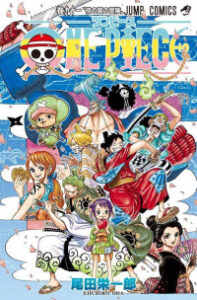
Readers who want the whole back catalog can use a paid membership or buy volumes. Our guide on where to read One Piece legally shows how this works for one of the most popular series.
Official releases also protect your devices. Unofficial sites are frequently paired with intrusive advertising and misleading buttons. Our article on how to spot fake manga accounts and unsafe sites explains the warning signs.
Supporting the Series You Love
Sales and readership numbers influence which series continue, which receive anime adaptations and which are licensed abroad. Reading officially is one of the simplest ways to help a series you enjoy keep going.
- Read new chapters on the publisher’s official platform.
- Buy printed or digital volumes when you can.
- Borrow volumes from your local library.
- Recommend official sources when friends ask where to read.
How This Guide Approaches the Topic
This guide explains how manga is published and where licensed releases can be found. Our series pages point to official platforms and volumes rather than unofficial copies.
When a series is not yet licensed in your language, the fairest options are to wait for an official release, read a licensed edition in another language you know, or follow the publisher’s announcements. Licensing news often arrives sooner than readers expect, especially for series that are popular in Japan or Korea.
Where to Learn More
Our blog covers more reading topics, and the manga guides section helps new readers find their footing. You can also browse the series library for background on popular titles. For a full overview of what this guide covers, visit the TCB Scan homepage.
Frequently Asked Questions
Is Scanlation Legal?
Scanlation is made without permission from the rights holder, so it is unauthorized. Copyright law gives the owner of a manga the right to decide who may translate and distribute it. Enforcement varies by country, but the safest and fairest choice for readers is always an official, licensed release from the publisher.
Why Do People Still Read Scanlations?
Historically, readers turned to scanlations because many series had no official translation or arrived years late. Some titles are still unlicensed in certain languages today. However, many popular series now appear officially on the same day as Japan, which removes the main reason for relying on unofficial versions.
How Can I Tell If a Translation Is Official?
Official translations appear on publisher platforms, such as MANGA Plus or VIZ, or in licensed print and digital volumes. They usually credit the translator. If a site has no clear publisher information, relies on pop-up ads or asks you to download files, it is very unlikely to be official. TCB Scans series pages also list the official platforms.